Complete Guide to Choosing Waterproof Tarps: Find the Perfect Match for Your Needs
Waterproof tarps play an increasingly vital role in modern life, from protecting goods and constructing temporary shelters to ensuring comfort in outdoor activities. However, with so many options available on the market, how can you choose the most suitable one? This article provides a comprehensive analysis of the material properties, applicable scenarios, and key selection…
Waterproof tarps play an increasingly vital role in modern life, from protecting goods and constructing temporary shelters to ensuring comfort in outdoor activities. However, with so many options available on the market, how can you choose the most suitable one? This article provides a comprehensive analysis of the material properties, applicable scenarios, and key selection criteria for waterproof tarps to help you make an informed decision.
1. Comparison of Common Material Characteristics
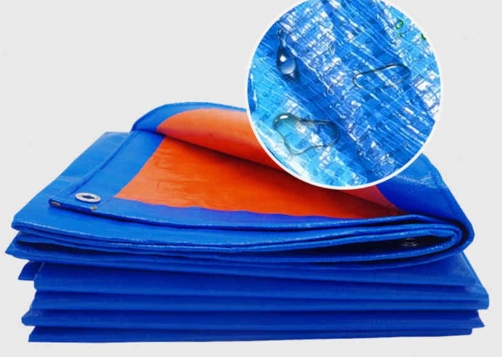
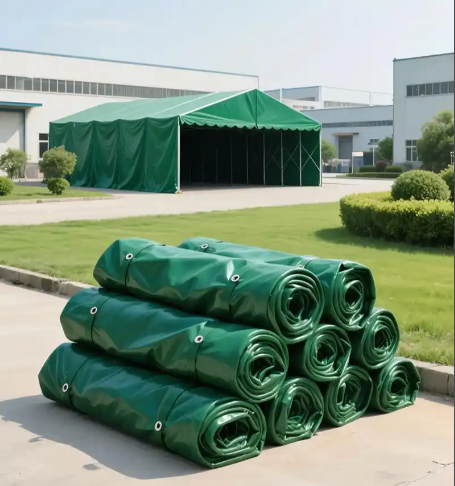
- PVC Coated Fabric
✅ Advantages: Fire-retardant, waterproof, UV-resistant, moisture-proof, insulating, wear-resistant, and tear-resistant, offering excellent overall protective performance
⚠️ Notes: May have a PVC odor initially—ventilate for 3–5 days; heavier weight makes it ideal for long-term, fixed applications - PE Woven Fabric
✅ Advantages: Lightweight, user-friendly, affordable, suitable for temporary covering needs
⚠️ Limitations: Service life of about 1 year; less wear-resistant; functionality primarily focused on basic waterproofing - Oxford Fabric
✅ Advantages: Double-layer structure with customizable coating, combining aesthetics and eco-friendly features, odor-free
⚠️ Notes: Higher unit price and minimum order quantity; suitable for users with higher quality requirements - Canvas
✅ Advantages: Cotton versions offer good breathability; polyester versions are mold-resistant and durable; modern processes ensure balanced waterproofing and wear resistance
🔍 Applicability: Ideal for long-term use where durability is essential
2. Precise Matching to Usage Scenarios
- Industrial Protection
- Applicable Scenarios: Covering materials and equipment at construction sites
- Recommended Configuration: PVC-coated tarps with thickness ≥0.35mm
- Logistics and Transportation
- Core Requirement: Protecting goods from rain during transit
- Preferred Solutions: PVC tarps or thickened PE tarps (ensure wind resistance)
- Agricultural Production
- Applications: Greenhouse covering, grain storage moisture prevention
- Typical Choices: PVC/PE tarps
- Emergency and Disaster Relief
- Special Requirements: High strength, tear resistance, flame-retardant compliance
- Professional Recommendations: High-performance materials like silicone-coated fabric
- Outdoor Recreation
- Core Needs: Lightweight, portability
- Ideal Choice: 210D Oxford fabric (balances waterproofing and breathability)
3. Key Purchasing Criteria
🔍 Waterproof Rating
- Laboratory static water column height (e.g., 300mm / 800–1200mm); higher values indicate better waterproof performance
⚡ Durability Assessment
- For high-frequency use, prioritize tear-resistant materials (PVC coated fabric / polyester canvas)
- For temporary use, consider budget-friendly options (PE woven fabric)
📦 Portability Considerations
- For mobile needs, focus on weight and foldability (PE fabric / Oxford fabric perform better)
📐 Size Compatibility
- Select specifications based on actual coverage area to ensure comprehensive protection
4. Decision-Making Suggestions
Choosing the right waterproof tarp requires a comprehensive consideration of usage frequency, environmental conditions, and functional needs. Industrial protection prioritizes durability, outdoor activities emphasize portability, and emergency scenarios demand professional protection levels. Mastering these key points will make the tarp your reliable “guardian against wind and rain.”
💡 Tip: Have you had any unique experiences using tarps? Feel free to share your practical tips and creative uses!